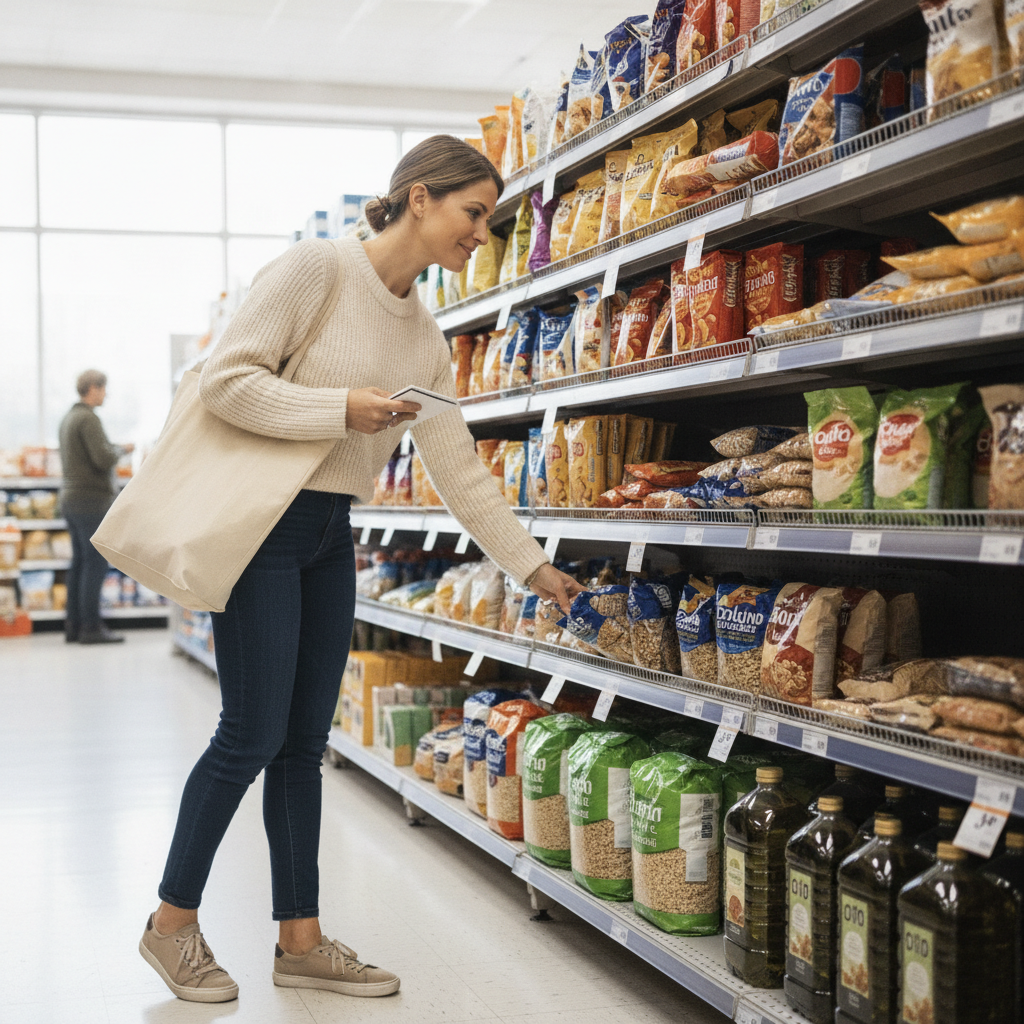
Grocery stores are among the most carefully engineered retail environments in existence, designed from the floor plan outward to influence purchasing decisions before a shopper has picked up a single item. Every aisle width, lighting choice, and product position reflects deliberate decisions made by retailers and brand partners working toward the same goal: encouraging higher spending per visit. Understanding how this system operates doesn't require cynicism — it simply requires knowing where to look and what to expect.
How Retailers Design the Store Layout Around Attention
The physical architecture of a grocery store is not neutral. Essential staples like milk, eggs, and bread are consistently placed at the far corners or back of the store, requiring shoppers to pass through multiple aisles to reach them. This routing is intentional. The longer the path through the store, the greater the exposure to impulse-buy zones, promotional displays, and high-margin specialty items. Major chains like Kroger and Walmart Supercenter have refined this layout over decades, and the result is a predictable pattern that rewards shoppers who recognize it.
The Shelf Position Hierarchy and What It Signals
Within any given aisle, shelf position functions as a form of silent advertising. Eye-level shelves — roughly between chest and eye height for an average adult — are the premium spots, typically occupied by national brands that have paid slotting fees or hold strong negotiated placement agreements. Products positioned on the top shelf tend to be smaller specialty items with higher per-unit prices. The bottom shelf, often overlooked, is where store-brand and generic alternatives frequently sit. These products often share manufacturing origins with their name-brand counterparts but carry significantly lower retail prices.
Endcap Displays and the Illusion of a Deal
Endcap displays — those prominent shelving units at the end of each aisle — are among the most misread features in any grocery store. Shoppers broadly associate endcap placement with discounted pricing, yet retailers frequently stock them with full-price or only marginally reduced items. The visual prominence of the display does the persuasive work that a price tag alone could not. Products from brands like General Mills or Pepsi Co. regularly rotate through endcap positions not because they are on meaningful sale, but because the manufacturer has paid for that visibility as part of a promotional agreement.
The Center Aisle Trap and Perimeter Shopping Logic
One of the most practical frameworks for value-conscious grocery shopping is the principle of perimeter-first shopping. The outer ring of most grocery stores houses fresh produce, dairy, meat, and bakery sections — whole foods with less packaging markup and higher nutritional density relative to cost. The center aisles, by contrast, concentrate the processed and packaged goods with the widest profit margins and the heaviest brand investment in packaging design. Apps like Flipp or Instacart's comparison tools can help shoppers pre-map which center-aisle staples are worth including before entering the store, reducing unplanned spending.
Store Brands, Private Labels, and the Branding Premium
Private-label products — sold under a store's own name, such as Trader Joe's house line or Costco's Kirkland Signature — represent one of the clearest opportunities to capture value without sacrificing quality. These items are frequently produced in the same facilities as national brands, with the cost difference reflecting marketing spend rather than product formulation. The branding premium attached to name-recognition is real but often unrelated to what's inside the packaging. Shoppers who develop a habit of comparing ingredient lists between store brands and their premium-priced equivalents routinely find the differences minimal or nonexistent.
Putting This Knowledge to Work on Your Next Shop
Armed with an understanding of how shelf space is sold and store layouts are engineered, you can move through a grocery store with a fundamentally different orientation. Start by shopping the perimeter before entering any center aisle. When you do move into the interior, commit to looking below eye level first — the bottom shelf is where the pricing math most often works in your favor. Treat endcap displays as neutral until you've checked the unit price against the standard shelf position. Bring a list built around ingredients rather than brands, which naturally reduces susceptibility to packaging design. Small adjustments like these compound across weekly shops into meaningful reductions in grocery spend without requiring coupons, loyalty apps, or significant extra time.
Grocery store design is a mature science applied in service of the retailer's margin, not the shopper's budget. Recognizing the structural logic behind product placement — eye-level premiums, endcap theater, perimeter freshness, and private-label value — transforms a routine errand into a more deliberate exercise. Shoppers who internalize these patterns find that consistent value isn't a matter of luck or aggressive deal-hunting, but of understanding the environment they're moving through and adjusting accordingly.