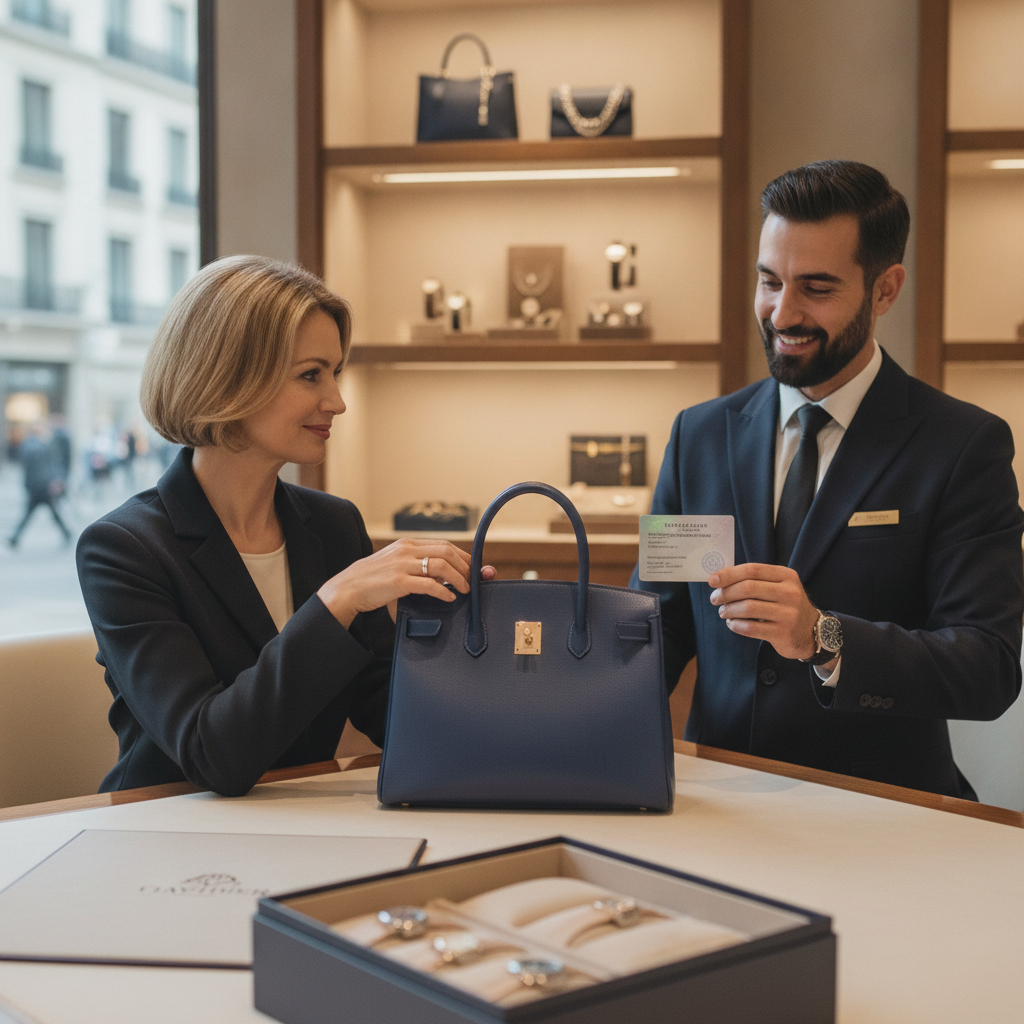
The resale luxury market has matured into a serious consumer category, and with that maturity has come a critical distinction that smart shoppers are beginning to understand: not all pre-owned luxury is created equal. Where a piece comes from, and who stands behind its authenticity, matters enormously — sometimes more than the piece itself.
The Case for Brand-Controlled Resale Channels
When a luxury house operates its own resale program, the authentication process is handled by people who built the product in the first place. Brands like Rolex, through its certified pre-owned program launched via authorized dealers, and Burberry, which has tested circular resale initiatives, apply the same expertise used in production to verify what comes back through the door. That institutional knowledge is difficult to replicate. Third-party platforms, however reputable, are working with external assessors who have varying levels of training, access to proprietary materials, and accountability structures.
How Brand Authentication Differs From Marketplace Vetting
The authentication gap between brand programs and third-party marketplaces becomes clear when you examine what each process actually involves. A brand-operated program typically includes cross-referencing serial numbers against internal manufacturing records, physical inspection by trained craftspeople, and in some cases restoration using original materials. Platforms like The RealReal or Vestiaire Collective employ authentication specialists, but they are inherently working with limited access to the kind of proprietary documentation that only a brand holds internally. The result is a meaningful difference in confidence, particularly for high-value items where a single overlooked detail can affect both value and provenance significantly.
Warranty and After-Sale Protection That Third Parties Cannot Match
One of the clearest advantages of brand-operated programs is what happens after the purchase. Rolex's certified pre-owned watches, for instance, come with a two-year international guarantee — the same structure applied to new pieces. That kind of warranty reflects the brand's willingness to stand behind its product at a financial level, not merely a reputational one. Third-party sellers rarely offer comparable protections. Return windows are often short, dispute resolution can be slow, and if a question about authenticity arises months later, the buyer is typically left navigating the issue without institutional backing. The peace of mind that comes from a brand guarantee is not a small consideration.
Pricing Transparency and Fair Market Valuation
Brand resale programs tend to apply more consistent and transparent pricing structures than open marketplaces, where prices can swing based on seller optimism, listing timing, or platform algorithm behavior. When a buyer purchases a certified pre-owned Cartier piece through an authorized channel, the price reflects a considered valuation informed by the brand's knowledge of its own product lineage, condition standards, and market positioning. This doesn't mean brand programs are always cheaper — in fact, they often carry a modest premium — but that premium buys a level of pricing integrity that reduces the risk of overpaying for something misrepresented or undervalued in ways that won't surface until later.
The Trust Architecture Behind Brand-Backed Resale
There is a structural reason why brand-operated programs are more accountable: reputational risk is concentrated and visible. If a Cartier-certified pre-owned piece turns out to be misrepresented, the damage falls on Cartier directly. That alignment of incentive between the certifying party and the brand itself creates a fundamentally different accountability architecture than a third-party marketplace, where authentication is handled by a separate entity and reputational consequences are diffuse. Independent platforms have made enormous strides in building trust, and many do excellent work, but the incentive structure of brand-operated programs places the stakes at a higher and more personal level for everyone involved.
What to Look for When You Shop Certified Pre-Owned Luxury
If you're drawn to the certified pre-owned model, starting with brands that operate their own programs or work through tightly controlled authorized dealer networks is the most reliable path. Research whether the brand you're considering — whether it's Rolex, Porsche Design, or a heritage fashion house — has a formal certification program with documented standards rather than simply a resale partnership with a third-party platform. Look for a physical certificate of authenticity tied to a serial number, not just a platform badge. Ask specifically about the warranty terms and what they cover. When buying online, check whether the retailer is an authorized brand partner rather than an independently operating reseller who happens to carry the brand's logo in their listing. These distinctions, while subtle, carry real weight when you're spending seriously.
The pre-owned luxury market offers genuine value for shoppers who know how to navigate it well. Brand-operated resale programs represent the most reliable entry point into that market — not because third-party platforms are inherently untrustworthy, but because the authentication, warranty, and accountability structures built into brand-controlled channels are structurally stronger and backed by institutional knowledge that no external service can fully replicate. For anyone spending meaningfully on pre-owned luxury goods, that difference is worth understanding before any purchase decision is made.