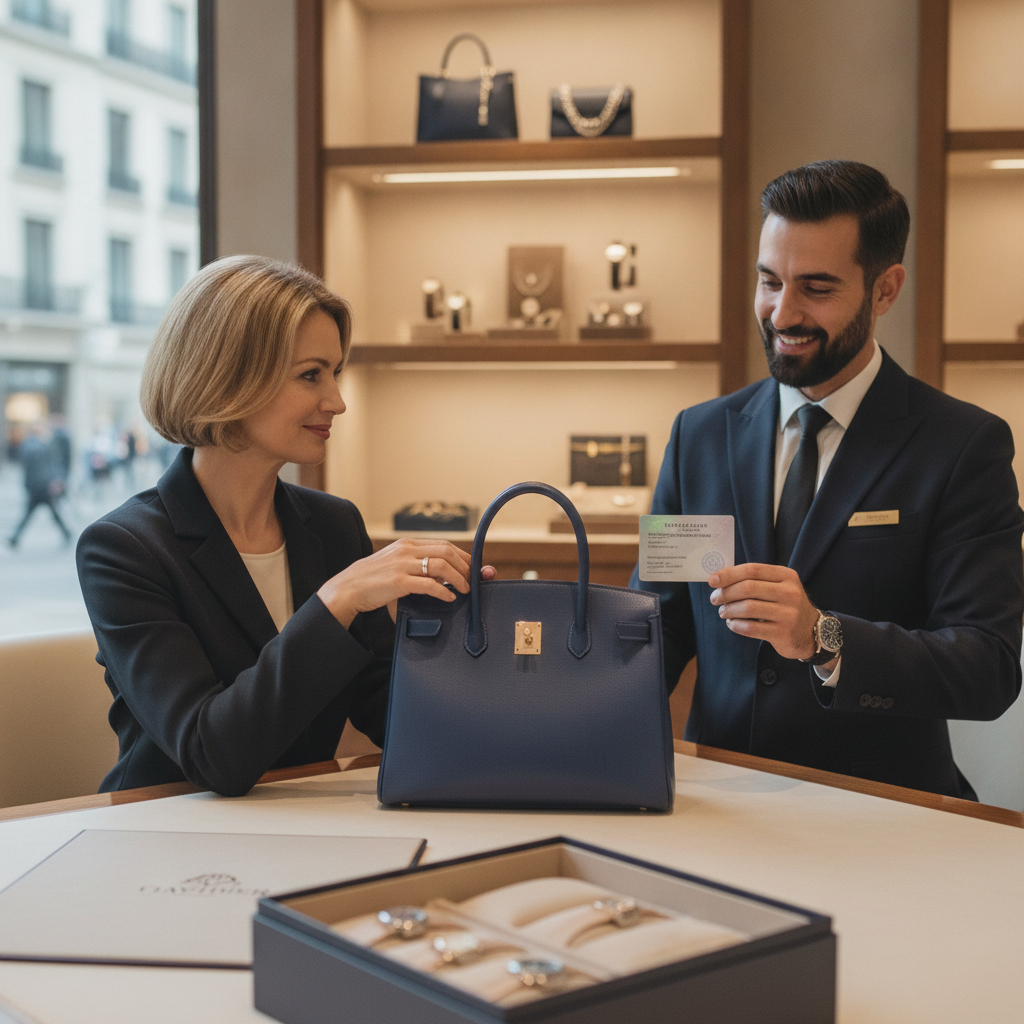
The hotel breakfast buffet is a kind of soft lie — comfortable, familiar, and almost entirely disconnected from the place outside the window. Travelers who begin their mornings in that particular bubble, surrounded by individually wrapped portions and international coffee blends calibrated for no one's palate in particular, often spend the rest of the day trying to find an authentic experience they've already postponed. The choice of where to eat on that first morning sets something in motion, a calibration of expectations and sensory openness that quietly shapes every encounter that follows.
What the Market Morning Actually Teaches
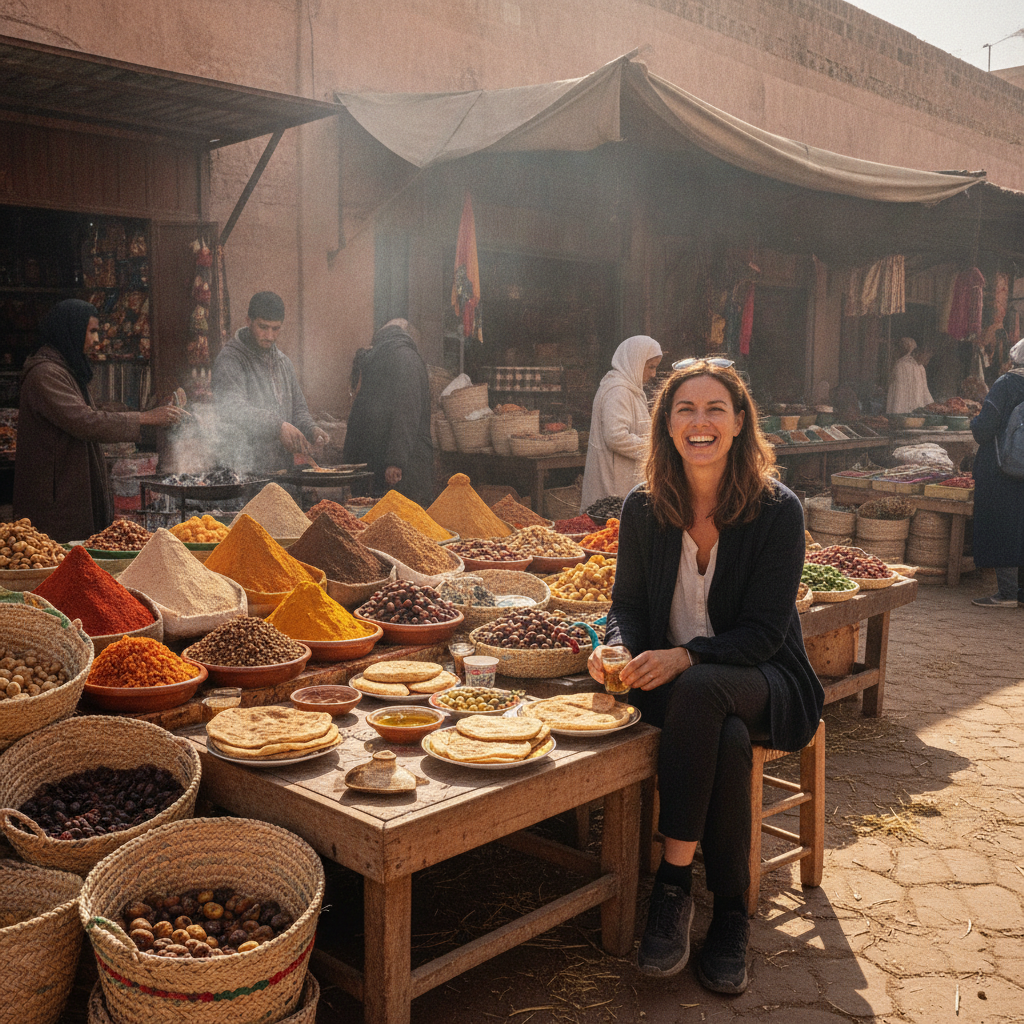
Local markets operate on a completely different rhythm than the hospitality industry, and that rhythm is precisely what makes them revealing. In Chiang Mai's Warorot Market, vendors begin setting up before dawn, and the breakfast offerings — khao tom, a loose rice porridge eaten with preserved eggs and crispy shallots, alongside bags of sticky rice wrapped in banana leaf — reflect not culinary performance but daily necessity. The same is true of Istanbul's covered bazaar districts, where simit sellers push carts through narrow lanes at first light, the sesame-crusted rings still warm. Eating within these systems rather than observing them from a restaurant terrace is not about adventure for its own sake; it's about entering the metabolic rhythm of the place rather than watching it pass.
This distinction matters more than most travelers initially appreciate. When the first meal of the day is assembled from stalls rather than a kitchen designed for international guests, the choices made — which vendor to approach, how to gesture at something unrecognizable, whether to eat standing or find a shared plastic stool — all require a degree of presence that primes the traveler for the rest of the day. The small negotiations involved in ordering without a shared language, the observation of how locals eat and interact, the acceptance of something unfamiliar as the starting point rather than the exotic detour — these micro-experiences accumulate into a more grounded sense of where one actually is.
The Economics of Early-Morning Street Eating
Beyond the cultural argument, there is a straightforward practical one. Hotel breakfast packages at mid-range properties in most major travel destinations represent some of the worst value in tourism spending — not because the food is necessarily poor, but because the price reflects convenience and branding far more than it reflects local ingredient cost or culinary effort. The equivalent spend at a covered market like Barcelona's Mercat de Sant Josep de la Boqueria, or at the morning stalls around Hanoi's Hoan Kiem Lake, delivers both a more satisfying meal and a far more honest transaction. In many Southeast Asian and North African destinations, a full market breakfast — juice pressed to order, fresh bread, protein, and a hot drink — costs a fraction of what a hotel's continental option charges, and the quality differential frequently favors the street.
This is not about frugality as ideology. It's about recognizing where money actually connects a traveler to a place versus where it insulates them from it. A hotel breakfast spent in an airconditioned dining room is money that recirculates largely within the tourism economy. A market breakfast, by contrast, goes directly to the vendor, the supplier, and the local infrastructure surrounding them — a chain that reflects the actual economy of the destination.
How the First Meal Shapes the Rest of the Day
There's a concept in anthropology sometimes called *foodways* — the cultural practices and social behaviors surrounding food production and consumption — and travelers who engage with local foodways from the very first morning of a trip find that subsequent encounters build naturally on that foundation. Having navigated a market once, having identified a few words or gestures that worked, having sat among local commuters eating their morning meal, travelers carry a kind of earned familiarity into the rest of the day. The city feels less like a backdrop and more like a place with its own internal logic, one they've already begun to understand in a small but real way.
This compounding effect is especially noticeable on longer trips. Travelers who return to a favorite market stall on a second or third morning develop the kind of routine familiarity that belongs to locals — the vendor who starts preparing the usual order, the other regulars whose faces become recognizable, the small variations in the menu that signal what's seasonal and available. These are not the marquee experiences that appear in travel guides, but they are often the ones that make a place feel genuinely visited rather than consumed.
Making the Shift Before You Arrive
For those planning to incorporate market mornings into their next trip, a small amount of pre-departure research pays meaningful dividends. Identifying the name and neighborhood of a destination's primary covered or open market — Mahane Yehuda in Jerusalem, the Naschmarkt in Vienna, Tsukiji's outer market in Tokyo — takes minutes and immediately provides a geographic anchor for the first morning. Apps like Google Maps allow offline saving of specific stall clusters, which is useful in markets where mobile signal is unreliable. It's also worth understanding the market's operating hours in advance; many of the best breakfast options appear only in a narrow window before the main shopping crowds arrive.
You don't need a plan beyond showing up early and following the density of locals. Where the plastic stools cluster, where the condensation rises from covered pots, where there is no English menu posted in the window — these are the reliable signals. The meal itself almost always exceeds expectation, not because it's elaborate, but because it's exactly what it is: the ordinary breakfast of an ordinary morning in a place that is extraordinary simply by being different from home.
The hotel buffet will still be there if it's needed. But the market morning, taken first, changes what the rest of the trip is reaching toward — and that shift in orientation, established over a bowl of something unfamiliar eaten among people for whom it is entirely routine, tends to be the difference between a trip that is visited and one that is genuinely felt.