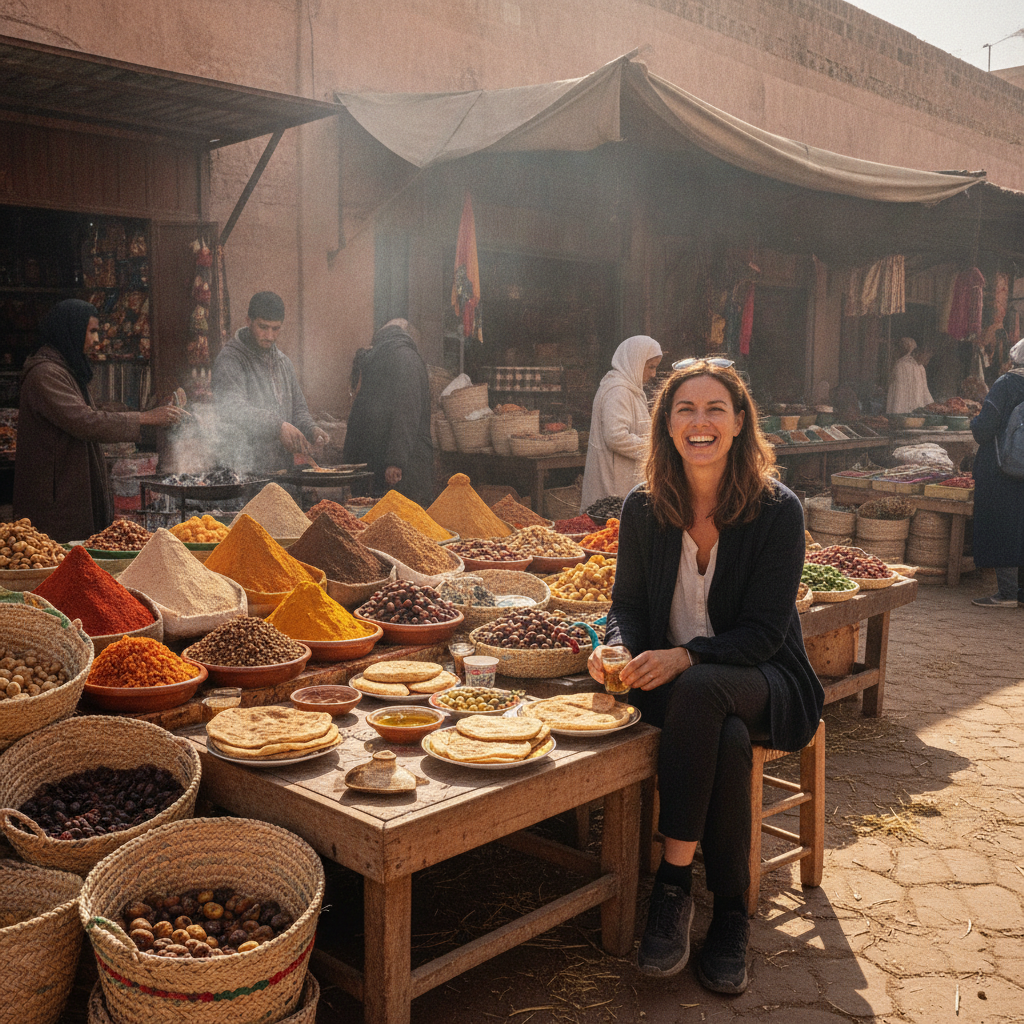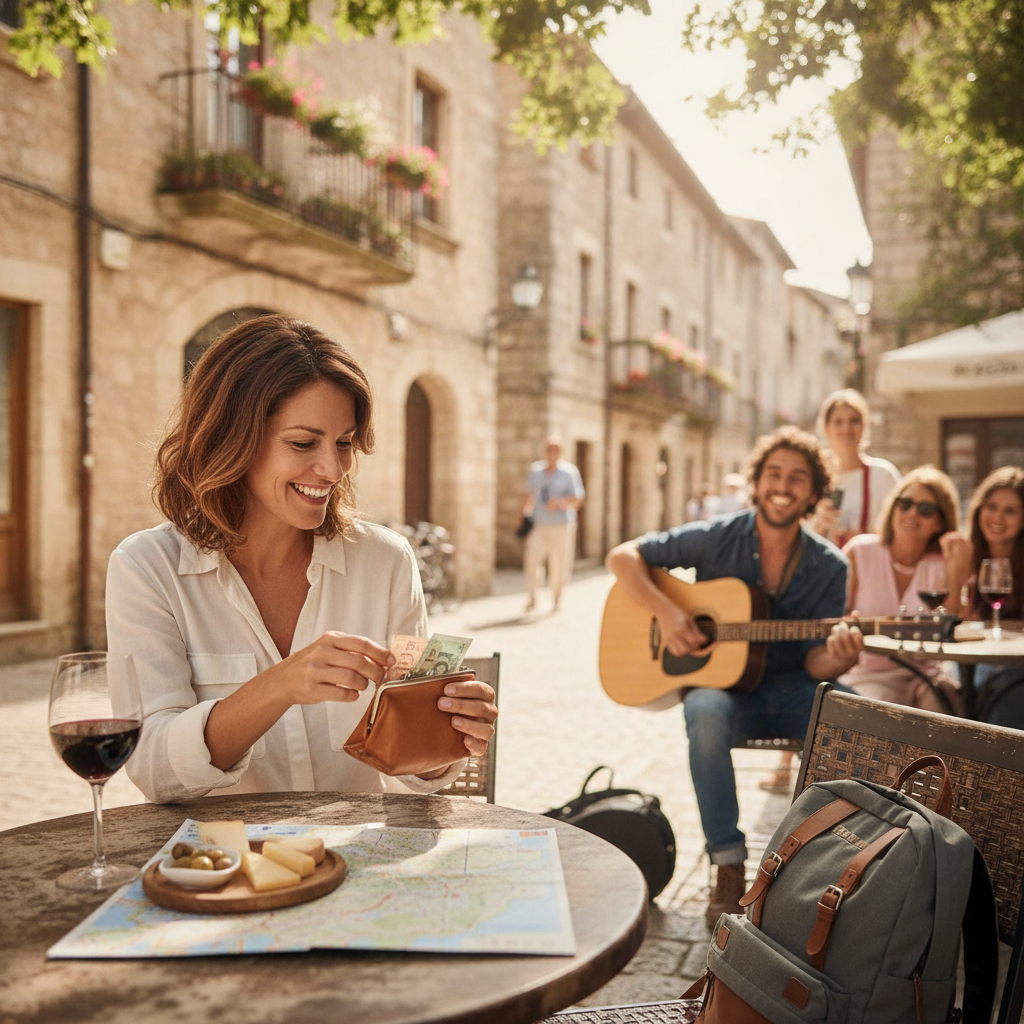
Spontaneous spending on a trip has a way of feeling like a small failure, even when the experience was genuinely worth it. You stop at a roadside stall in Oaxaca, pay for a cooking class you spotted on a chalkboard, or drop into a jazz bar in Lisbon on a whim — and then spend the next hour mentally recalculating your budget. That tension between living in the moment and staying financially responsible is one of the quieter stressors of travel. A simple structural fix, a fixed daily allowance set aside specifically for unplanned encounters, resolves that tension before it starts.
What Does a Daily Spontaneity Allowance Actually Look Like?
The concept is straightforward. Before your trip, you decide on a modest daily amount — separate from your accommodation, transport, and planned meals — that exists purely for unexpected opportunities. It could be the price of a museum you didn't know existed, a local bus detour, a market snack, or a boat tour someone recommends at breakfast. When you spend from this fund, you're not dipping into your core budget. You're using money that was always meant for exactly this. The allowance legitimizes impulse in a way that feels responsible rather than reckless.
How Does Separating Funds Change the Psychology of Spending?
Budgeting works better when categories are concrete. When travel money sits in one undivided pool, every spontaneous purchase pulls against everything else — tonight's dinner, tomorrow's transport, the gift you planned to buy. Carving out a spontaneity fund changes the mental accounting entirely. Spending from a dedicated allowance doesn't feel like a trade-off; it feels like using something correctly. This isn't a trick or a reframe for its own sake. It reflects how decision-making actually works under financial ambiguity, and it consistently reduces the second-guessing that follows unplanned purchases.
Why Does Cash Work Better Than a Card for This Purpose?
Physical cash enforces the limit in a way that card spending doesn't. When the day's allowance is folded in your pocket, you can feel what's left. You make more intentional choices about which spontaneous moment is worth it — the third street snack or the impromptu boat ride — because the constraint is tangible. Apps like Trail Wallet or a simple envelope system can work as a digital version, but many travelers find that withdrawing the daily amount in local currency each morning turns the practice into a small ritual that also grounds them in the actual economy of the place they're visiting.
How Should You Set the Right Daily Amount?
The amount varies by destination and travel style, but the logic is consistent. It should be enough to say yes to one meaningful unplanned thing per day without stretching. In Southeast Asia, that might be a very modest sum. In Scandinavia or Japan, it'll need to be noticeably higher to cover even a short detour. Research typical incidental costs — a ferry, a market lunch, an entry fee — before you leave. Set the amount so it covers one mid-range spontaneous choice comfortably, without being so generous that it stops functioning as a limit at all.
What Happens When You Don't Spend the Full Allowance?
Rollover rules are worth deciding in advance. Some travelers bank unspent daily funds into a small end-of-trip reserve for a larger splurge — a final dinner, a piece of locally made craft, one extra night somewhere beautiful. Others treat it as a strict daily reset so there's no temptation to hoard. Both approaches work; what matters is deciding before you go. Having a rollover policy turns leftover allowance into something purposeful rather than something you feel slightly guilty spending or slightly guilty not spending.
How Does This Practice Shift the Tone of a Trip Overall?
Travel tends to feel richest when it includes a few unscripted moments — the kind that become the stories you tell later. A fixed spontaneity allowance quietly increases the frequency of those moments because you stop filtering opportunities through financial anxiety. In practical terms, you say yes more. You wander further. You follow the recommendation from the guesthouse owner in Porto or the fellow traveler on the train through the Hungarian countryside. The financial structure, counterintuitively, creates more freedom than an open-ended budget often does.
Why Does This Method Outperform a General Buffer Fund?
A general travel buffer is valuable for emergencies — a missed connection, a medical expense, a replaced phone. It serves a completely different purpose than a spontaneity allowance, and conflating the two creates a problem. When your only backup fund is meant for real emergencies, you're reluctant to use it for anything that feels even slightly optional. Keeping a spontaneity allowance separate from your emergency buffer means both funds stay intact for their intended purposes. You protect your safety net while also giving yourself genuine permission to engage with travel the way it's most rewarding.
The habit of building a fixed daily cash allowance into trip planning is one of those small structural decisions that quietly changes how travel feels from the inside. It doesn't require a larger budget — it just requires a more deliberate one. As more travelers move away from rigid itineraries and toward experience-first approaches, the tools that support flexible spending without financial anxiety will only become more useful. Getting comfortable with this kind of intentional spontaneity before your next trip is worth the few minutes it takes to work out the numbers.