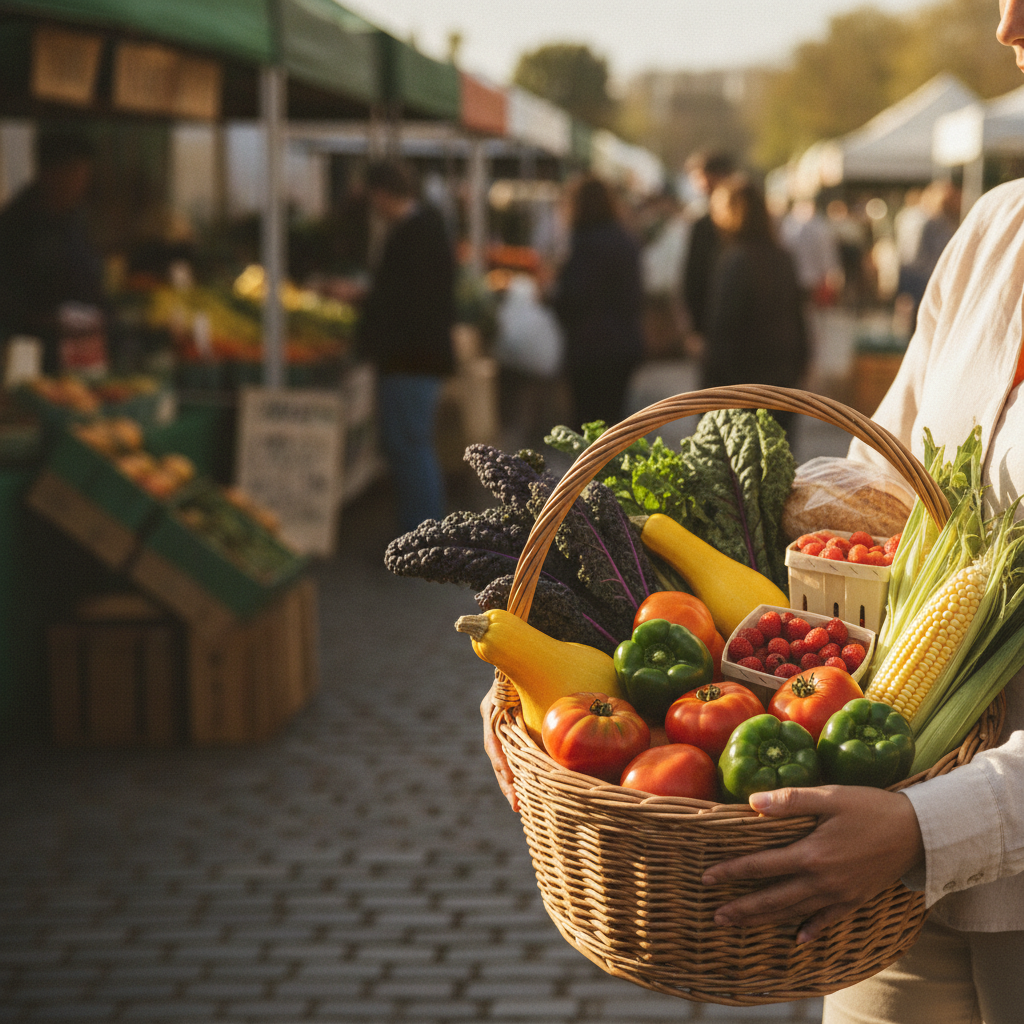
Grocery bills have a way of quietly expanding without you ever making a dramatic change to what you eat or buy. You keep picking up the same items, the prices inch upward, and somewhere between the produce aisle and the checkout line, the total becomes something you mentally brace for each week. If you've started paying closer attention to where that money actually goes, seasonal shopping at farmers markets is one of the most practical ways to bring real structure back to your spending — not by sacrificing quality, but by working with how food actually grows.
Start With a Honest Budget Audit Before You Shop
Before you rethink where you shop, it helps to understand what you're currently spending and on what. Pull up your last few weeks of grocery receipts — or check your bank app if you're paying by card — and look specifically at produce. You'll likely find a mix of in-season and out-of-season items, with the latter costing noticeably more per pound. Apps like Mint or YNAB can help you tag and categorize grocery spending if you want a clearer picture over time. Knowing your baseline makes it easier to measure real savings once you start shifting habits.
Learn Which Produce Is Actually in Season Near You
Seasonal eating sounds intuitive, but most people were raised shopping at supermarkets where strawberries appear in January and butternut squash sits on shelves year-round. The actual growing calendar varies by region, so it's worth doing a quick search for your state's seasonal produce guide or asking vendors at your local market directly. In most of the eastern U.S., late summer through early fall brings an overlap of tomatoes, corn, peppers, and stone fruits — that overlap is when prices drop and quality peaks. Knowing the rhythm of your region turns the farmers market from a weekend outing into a strategic shopping tool.
Anchor Your Weekly Meal Plan Around What's Cheap and Abundant
The most effective way to save money at a farmers market is to let availability drive your meal planning rather than the other way around. Instead of deciding on Tuesday that you want a specific Thai curry and then hunting for the ingredients, you go to the market, see what's plentiful and affordable, and build meals around that. This approach takes a little mental flexibility at first. Over time, though, it becomes a genuine skill — you develop a small repertoire of adaptable recipes that work with whatever protein or vegetable is cheap that week, and your meals become more varied and seasonal without extra effort.
Use the Last Hour of Market Day to Your Advantage
Many farmers market vendors would rather reduce prices on remaining stock than pack it up and haul it home. Showing up in the last 45 minutes to an hour before closing — at markets like the Union Square Greenmarket in New York or the Ferry Plaza Farmers Market in San Francisco — often means you'll find discounted bunches of herbs, slightly overripe tomatoes perfect for sauce, or leafy greens that won't last another day at full price. These are ideal candidates for batch cooking, blanching and freezing, or making large-format dishes like soups and braises that stretch across several meals. Timing your visit strategically is one of the simplest budget moves available.
Buy in Bulk When the Price and Quality Are Both Right
When you find a vendor selling peak-season produce at a great price, buying a larger quantity than you'd normally take home is worth the extra upfront cost. Stone fruits, berries, peppers, and green beans all freeze well when properly prepped. A flat of peaches bought at peak summer pricing can become frozen fruit that lasts through winter — at a fraction of what the same fruit would cost out of season at a conventional grocery store. Talking to vendors about bulk or case pricing is completely normal at farmers markets, and many are happy to work with regular customers on quantity deals. You're not haggling; you're just asking.
Reduce Shrinkage by Shopping More Frequently in Smaller Amounts
One of the quiet budget leaks in most households is produce that gets bought with good intentions and thrown out a week later. Supermarket shopping tends to encourage larger, less frequent trips, which means produce has to survive longer in your fridge. Farmers market produce, often harvested within the past day or two, tends to last longer and hold its flavor better than items that traveled long distances. Shifting to shorter, more frequent shopping cycles — even just stopping by a weekday market once midweek — reduces waste significantly and keeps your week's meals fresher with less planning overhead.
Track What You Actually Spend Compared to Your Old Grocery Runs
The savings from seasonal farmers market shopping are real, but they're gradual and cumulative rather than dramatic week to week. Keeping a simple log — even a notes app on your phone — of what you spent at the market versus what the same produce would cost at your nearby Whole Foods or Kroger gives you a concrete sense of progress. Over a month or two, patterns emerge. You'll start to see which categories of produce represent your biggest savings opportunities and which items are actually cheaper at the supermarket. That kind of data removes guesswork and helps you split your shopping trips more strategically.
Build Vendor Relationships That Pay Off Over Time
Farmers markets reward regulars in ways that aren't always visible on a first visit. Vendors remember familiar faces, offer informal tips about what's coming into season next week, and sometimes set aside items for customers they trust. Spending a few minutes in genuine conversation — asking about growing methods, what's eating best right now, or what they'd do with a particular vegetable — builds the kind of rapport that eventually translates into small perks and better information. Over a full growing season, those relationships shape your shopping in ways that compound well beyond any single transaction.
Seasonal, market-based shopping is increasingly being recognized as one of the more durable ways to manage a household food budget without defaulting to lower-quality ingredients. As more communities invest in permanent and year-round market infrastructure, the accessibility of this approach will continue to grow. The skills you build now — reading availability, planning flexibly, buying strategically — stay useful regardless of how prices or supply chains shift. The budget benefits are real, but so is the broader shift in how you relate to food, cost, and the rhythms of what grows when.