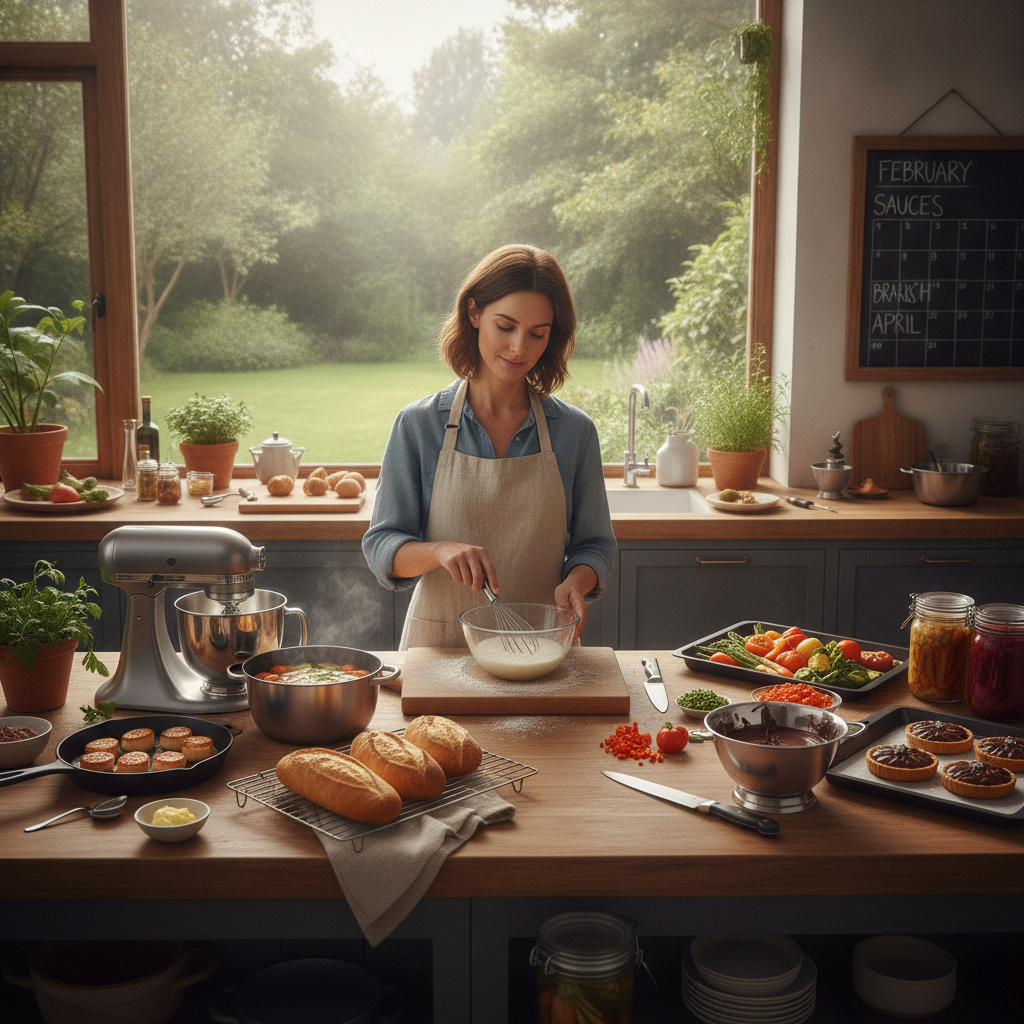
Most home cooks accumulate dozens of recipes before they ever stop to wonder why some dishes work and others don't. The gap between someone who can follow instructions and someone who actually knows how to cook almost always comes down to technique — not recipes.
Why Recipes Alone Create a Cycle of Dependency
Following a recipe is like using GPS without ever learning to read a map. It gets you to the destination, but it doesn't build any internal understanding of how you got there. Cooks who rely purely on step-by-step instructions tend to freeze the moment something unexpected happens — the pan runs too hot, a key ingredient is unavailable, or proportions need adjusting. Technique-based learning breaks this cycle by giving a cook transferable skills rather than isolated wins. Understanding how to properly sauté vegetables, for instance, applies across hundreds of dishes, from a simple weeknight stir-fry to a French bistro-style side.
How Does Technique-First Learning Actually Work?
The approach is straightforward: instead of choosing a new recipe each week, a cook selects one core technique each month and practices it repeatedly across different ingredients and contexts. January might be devoted to knife skills — specifically, building consistent, controlled cuts that affect both cooking times and texture. February could focus on building a proper sauté, understanding heat levels, fat behavior, and timing. By March, braising becomes the focus, unlocking everything from short ribs to chickpeas in tomato sauce. Each month layers onto the last, and the cumulative effect builds real fluency rather than a collection of one-off successes.
What Makes Foundational Techniques So Transferable?
A handful of techniques underpin an enormous percentage of everyday cooking. Mastering how to properly brown meat — understanding the Maillard reaction and why a dry surface matters — directly improves roasts, burgers, pan sauces, and soups. Learning to build a vinaigrette by emulsification teaches the same principle that makes hollandaise and mayonnaise work. Knowing how to temper eggs opens the door to pastry cream, crème brûlée, and silky pasta sauces. Skills like these don't expire and don't require a special grocery run. They work in a small apartment kitchen with a basic pan from a brand like Lodge or a mid-range knife from Victorinox just as reliably as they do in a professional setting.
Which Techniques Are Worth Prioritizing First?
For most home cooks, the highest-return techniques to learn early are knife work, dry-heat cooking (sautéing, roasting, searing), wet-heat cooking (braising, poaching, steaming), emulsification, and seasoning by taste rather than measurement. Knife skills earn their place at the top because every meal starts with prep, and confident cutting speeds up cooking while improving texture and presentation. Searing and roasting come next because they produce the kind of deeply flavored results that make home cooking feel restaurant-quality. Platforms like Serious Eats and books from authors associated with culinary schools like the Culinary Institute of America have long emphasized this hierarchy for good reason — it reflects how professional cooks actually train.
How Does Repetition Within a Technique Build Real Confidence?
Confidence in the kitchen doesn't come from completing a recipe once — it comes from repeating a process until the physical and sensory cues become intuitive. A cook who has sautéed onions a dozen times in one month begins to recognize the smell and sound that signals they're approaching caramelization without checking the clock. That kind of embedded knowledge is what separates confident cooking from anxious cooking. Repetition also reveals variables. Cooking the same technique with chicken one week and tofu the next teaches how different proteins respond to heat. Trying braising with wine versus stock makes the flavor logic of liquids concrete. The learning compounds in ways that no single recipe can replicate.
How Can You Start This Month Without Overhauling Your Routine?
The easiest entry point is to pick one technique you already use imperfectly and commit to doing it deliberately for the next four weeks. If your scrambled eggs are inconsistent, spend a month learning low-and-slow egg cookery — try them in a nonstick pan, then a stainless pan, then with cream, then without. If your roasted vegetables always come out steamed and soggy, study dry roasting: pan temperature, spacing, oil quantity, and oven position. You don't need new equipment or a special curriculum. A free account on a platform like America's Test Kitchen online gives structured technique breakdowns, but even a focused YouTube search works. The goal is deliberate repetition, not perfection.
Building kitchen confidence is less about collecting recipes and more about developing a reliable internal language for cooking. One technique practiced with intention across a full month creates more lasting skill than a year of scattered recipe attempts. Over time, the kitchen stops feeling like a place where things either go right or go wrong by chance — and starts feeling like somewhere a cook is genuinely in control.