Travel food budgets have a way of evaporating faster than any other line item on a trip. You land somewhere new, you're hungry, the nearest café is convenient, and suddenly you're paying tourist prices for a mediocre sandwich three times a day. The meals that matter — the ones you'll actually remember — end up competing for the same budget as forgettable filler food. A smarter snack strategy doesn't mean eating sad granola bars in your hotel room. It means being deliberate about what you carry, when you use it, and how it frees up real money for the meals worth spending on.
Research the Local Food Culture Before You Pack
Every destination has its own rhythm around food — when people eat, what they eat between meals, and which snacks are genuinely local versus tourist-facing. Before you travel, spend an hour looking into this. Japan, for instance, has an entire convenience store culture built around affordable, high-quality snacks from chains like 7-Eleven and Lawson that locals actually use. Southeast Asian cities often have street food stalls that operate as affordable between-meal options. Knowing this upfront helps you decide what to bring from home versus what to source on the ground, and it shapes how you'll eat throughout the day.
Build Your Carry-On Snack Kit Around Calorie Density
The goal of a travel snack kit isn't variety — it's sustaining energy between real meals without reaching for whatever's closest. Calorie-dense, compact options do that job well. Think nuts, nut butter packets, dried fruit, jerky, or a few high-protein bars like RXBARs or Larabars that use minimal ingredients. These aren't exciting, and they're not meant to be. They're functional. Packing enough to cover three to four days of between-meal gaps means you won't make impulsive food purchases the moment your energy dips at 3 p.m. in an unfamiliar city.
Use Supermarkets as a Strategic Resource, Not a Last Resort
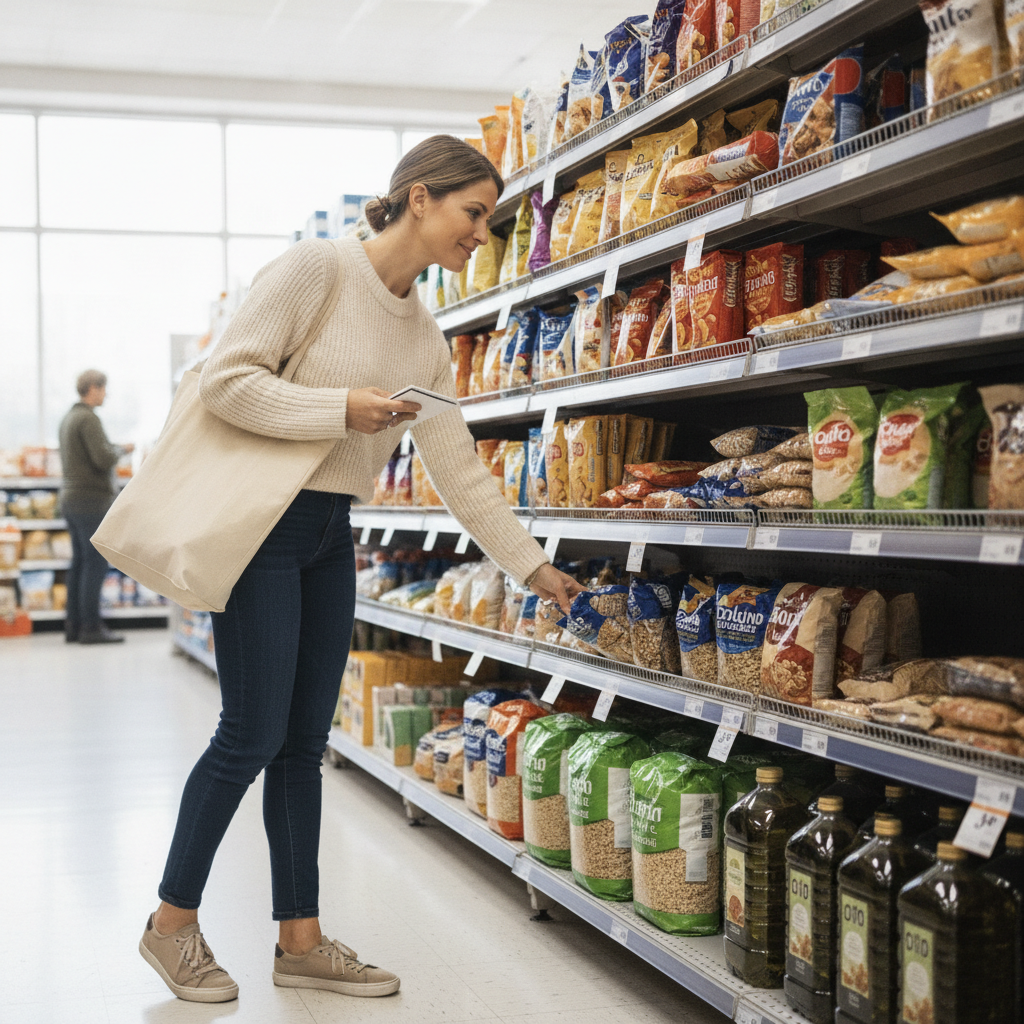
One of the most underused tools for managing travel food costs is the local supermarket. Chains like Carrefour in Europe, Woolworths in Australia, or Trader Joe's in the U.S. aren't just for bottled water — they're where you can pick up local yogurt, fresh fruit, cheese, bread, and prepared foods at a fraction of restaurant prices. Visiting a supermarket on your first full day gives you a chance to stock up on real, local food while also getting a surprisingly authentic glimpse into how residents actually shop and eat. It's practical and culturally interesting at the same time.
Time Your Big Meals Around Lunch, Not Dinner
In most destinations, the same dish at the same restaurant costs noticeably more at dinner than at lunch. This is especially true in Europe and parts of Latin America, where a prix fixe lunch or midday set menu offers multiple courses at a fraction of the evening price. If you shift your largest, most intentional meal to midday and treat dinner as something lighter — supplemented by snacks or supermarket finds — you can eat at genuinely good restaurants without blowing the budget. This approach also tends to align with how locals actually eat, which is a bonus.
Carry a Reusable Water Bottle and a Small Snack Bag Every Day
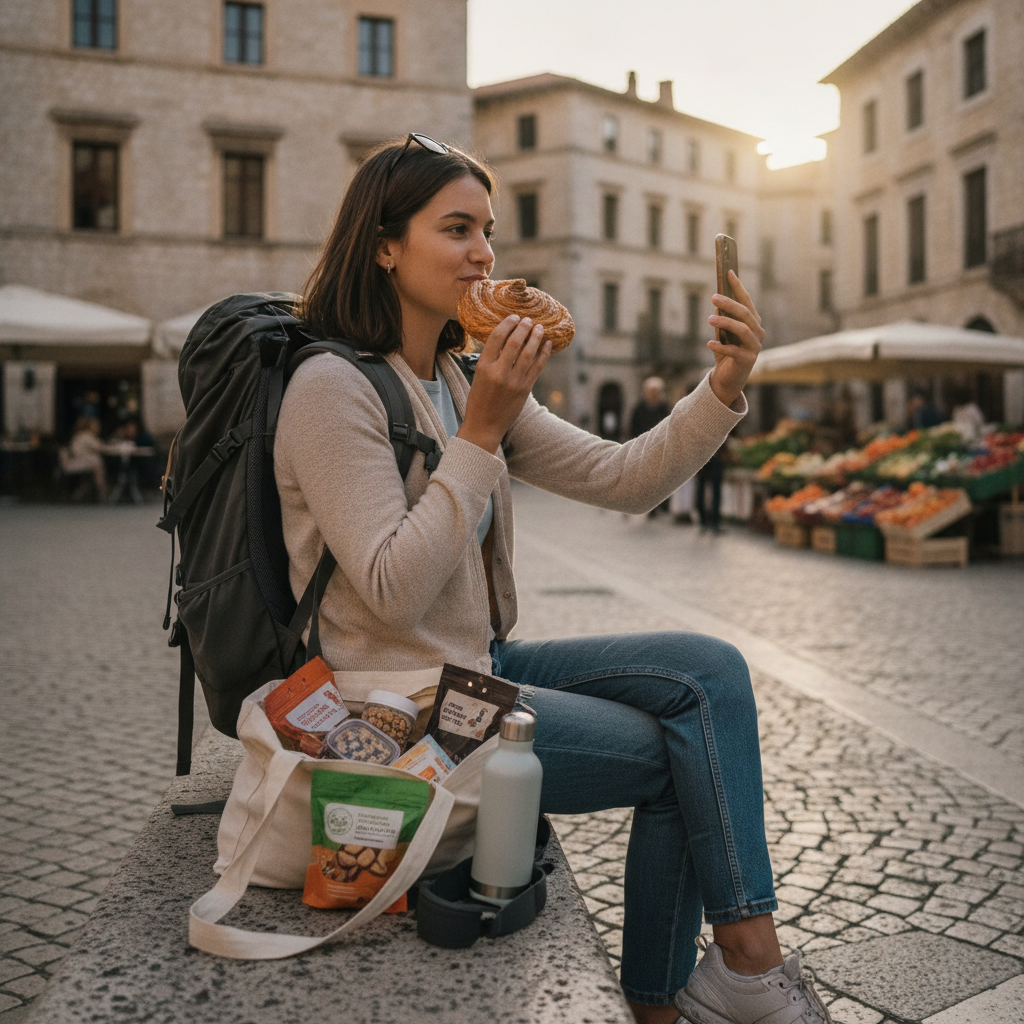
This sounds obvious, but the logistics matter. A reusable bottle from a brand like Hydro Flask or Nalgene eliminates the need to buy bottled water constantly, which adds up significantly over a week-long trip. A small zip bag or compact pouch filled with that day's snacks means you're not hunting for food when you're hungry and tired — the two conditions most likely to lead to bad spending decisions. Setting this up the night before, while you're planning the next day's itinerary, takes about two minutes and pays off every single afternoon.
Save Restaurant Spending for Experiences That Are Truly Place-Specific
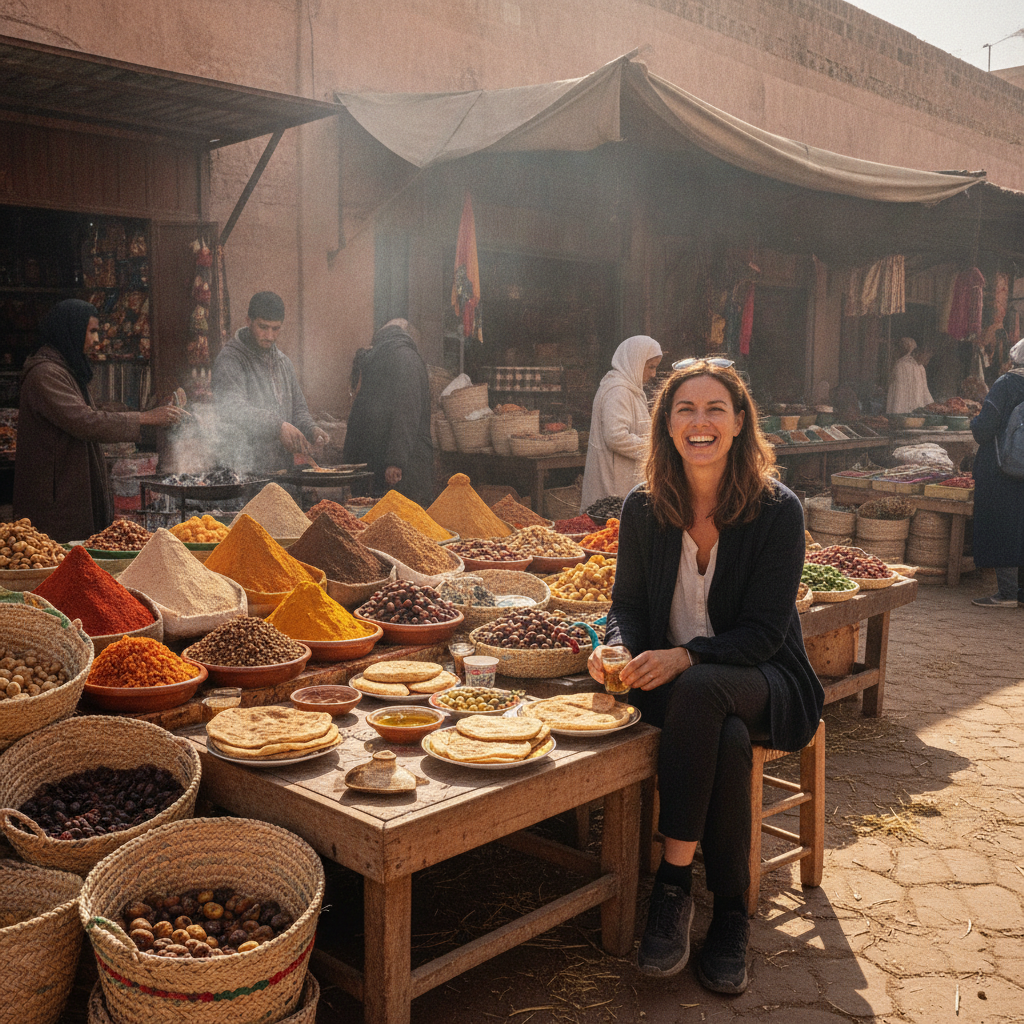
The real point of a snack strategy is freeing up budget for the meals that actually connect you to a place. A bowl of pho in Hanoi at a family-run shop, a plate of pasta at a no-menu trattoria in Bologna, fresh ceviche at a fish market in Lima — these are worth every dollar. Spending money on those meals while handling everything else with snacks and supermarket runs is a completely different philosophy than trying to eat cheaply across the board. You end up spending the same or less while having a much richer food experience overall.
Track What You're Actually Spending as You Go
Most travelers have a rough sense of their food budget but almost no real-time visibility into it. A simple tracking habit — even just noting food purchases in a free app like Trail Wallet or a notes app — changes that. When you can see what you spent yesterday, you can adjust today. Maybe you realize restaurant lunches have been running higher than expected and you pull back with a supermarket dinner. Or you notice your snack kit is lasting longer than expected and you have room for a splurge meal. Real data, even rough data, gives you control.
Adapt Your Strategy as the Trip Progresses
A snack plan that works on day one might not suit day five. Long hiking days require more calories. City exploration days might pass entirely near affordable street food, making your packed snacks unnecessary. Staying flexible and reassessing every couple of days keeps the strategy from feeling rigid. The goal was never to follow a system — it was to make sure hunger doesn't make spending decisions for you, and that the food experiences you actually care about get the budget they deserve.
As more travelers shift toward longer, slower trips rather than quick getaways, destination-specific food strategies are becoming a standard part of pre-trip planning rather than an afterthought. Apps, travel forums, and local food blogs are making it easier than ever to understand a destination's food culture before arrival. The travelers who put in a little upfront research are consistently getting more out of their food budgets — and coming home with better meal memories — than those who figure it out on the fly.