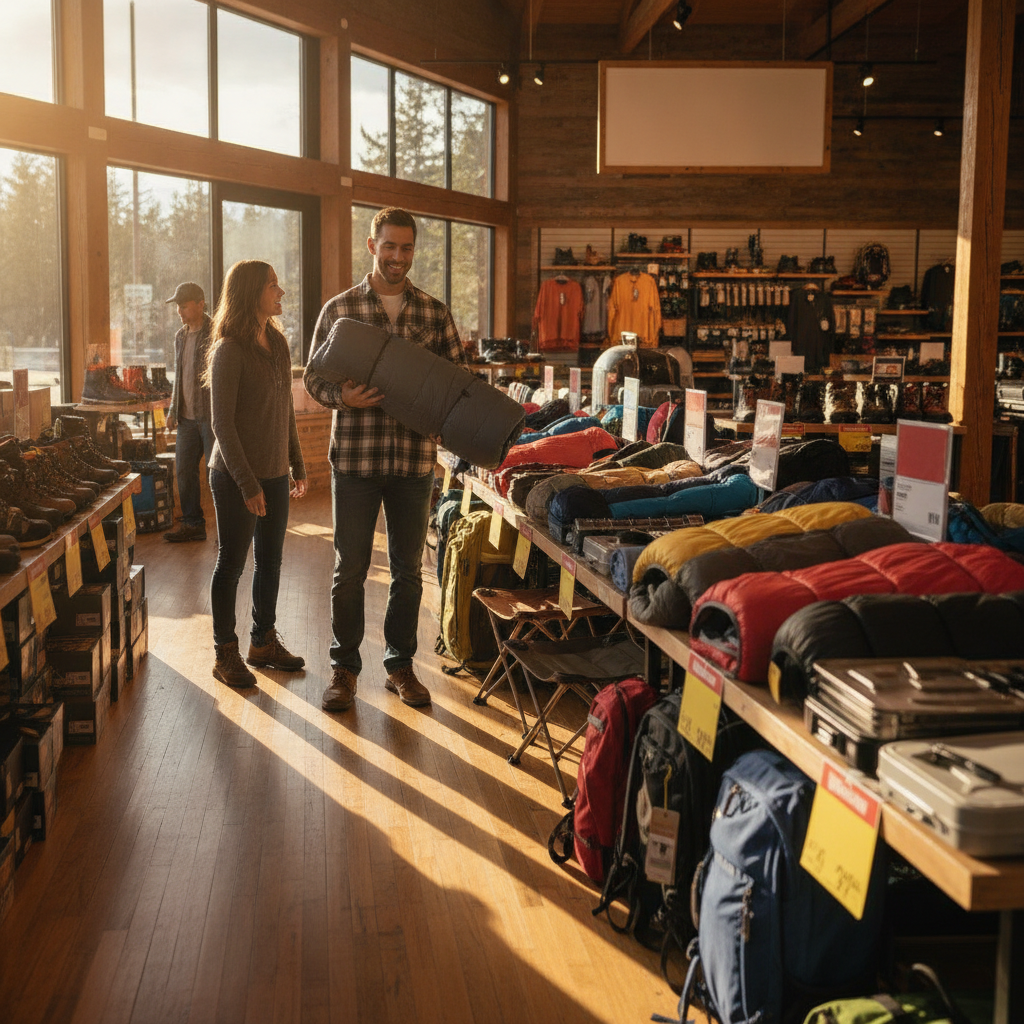
The window between late August and the end of September is one of the most underused discount cycles in consumer retail, and outdoor and camping gear sits right at the center of it. Retailers who stocked up heavily for summer need to move inventory before their floor space shifts to winter merchandise. That pressure is your opportunity — and if you know how to work it, you can land serious equipment at prices that won't come back around until next spring at the earliest.
Understand Why Retailers Are Motivated to Move Now
Retail buying cycles for outdoor gear are planned months in advance. By the time late August arrives, store managers already know what their fall and winter floor sets look like, and summer items are taking up space they need. That urgency creates genuine pricing flexibility, not the manufactured kind you see during holidays. Tents, sleeping bags, camp stoves, backpacks, and hydration gear all fall into this category. Retailers like REI and Dick's Sporting Goods typically begin quiet markdowns in mid-August that deepen through September, especially on items tied to warm-weather use.
Why the Discount Gets Deeper as the Month Progresses
If you can wait until mid-to-late September, the markdowns often improve. The closer stores get to their seasonal floor reset, the more aggressive the pricing becomes. Patience within this window pays off — just don't wait so long that your size or preferred color sells out.
Audit Your Gear Before You Shop
Before you open a single browser tab, take stock of what you actually own and what genuinely needs replacing. It's easy to buy redundant gear during sales, especially when prices feel like a reason in themselves. Walk through your camping kit with honest eyes. Is your sleeping bag still rated for the temperatures you camp in? Are your trekking poles still functioning, or are they held together by habit? A quick audit keeps your shopping list tight and your cart purposeful. The goal is to replace what's worn out or upgrade what's genuinely limiting your comfort outdoors — not to accumulate.
Match the Gear to Your Actual Trip Plans
Think about the kind of camping or hiking you realistically plan to do over the next twelve months. If you're a weekend car camper, you don't need ultralight backpacking gear at any price. Buying to match your actual use case keeps spending focused and stops you from chasing specs you'll never need in the field.
Use Price-Tracking Apps to Know What's Actually a Deal
Not every September markdown is as good as it looks. Some retailers discount from an inflated anchor price, which makes 30% off feel like a win when the item was never worth that original number. Apps like Honey and Google Shopping let you check price history quickly, so you can see whether a deal has real depth or is mostly marketing. Camelcamelcamel is another strong option if you're buying camping gear through Amazon — it shows you the full price history for any listed product, which takes the guesswork out of deciding whether to buy now or hold out.
Set Alerts and Let the Tools Do the Watching
If you've identified specific items you want — a particular tent model or a sleeping bag in a specific temperature rating — set a price alert and step back. You don't need to refresh pages manually. Let the app notify you when the price hits a point you're comfortable with, and then move quickly. Good deals on specific models during this window don't tend to last more than a few days once they're publicly visible.
Shop Clearance Sections First, Not Last
Most shoppers browse new arrivals and featured products, then check clearance as an afterthought. Flip that habit during end-of-season windows. REI's clearance section online, for instance, frequently surfaces high-quality gear from name brands like Black Diamond and MSR at significant reductions — not because anything is wrong with the product, but simply because the season is ending. Clearance items in this category are usually perfectly functional; they're discounted because of timing, not quality. Starting your search there means you're seeing the best pricing first, which recalibrates your sense of what a fair price actually looks like before you browse full-price items.
Watch for Member Sale Events and Loyalty Perks
If you're an REI Co-op member, the annual Labor Day sale and surrounding September promotions tend to stack on top of already-reduced clearance prices. It's one of the few times in the year when loyalty perks compound with seasonal markdowns in a meaningful way. Even if you're not a member, many outdoor retailers offer email sign-up discounts that apply to sale items. Joining a store's free loyalty program before you shop — even just minutes before — can unlock an extra percentage off items that are already discounted. It takes two minutes and costs nothing.
Don't Overlook Manufacturer Direct Channels
Brands like Nemo Equipment and Big Agnes sometimes run their own end-of-season sales directly through their websites. You'll find colorways and sizes that sold out at third-party retailers, and the pricing is often comparable to what you'd find at a sporting goods store during a clearance event. Buying direct also means easier warranty claims down the road.
Think Two Seasons Ahead When You Buy
The smartest end-of-season shoppers aren't just buying for next weekend — they're thinking about where they want to be outdoors next spring and summer. If you know you want to do a multi-day backpacking trip or upgrade your base camp setup, buying that gear now at clearance pricing gives you months to test it locally, make adjustments, and arrive at your trip prepared rather than scrambling at full retail in May. The gear doesn't expire between now and then; it just waits in your closet, ready.
As outdoor retail continues to shift toward year-round online shopping, these seasonal discount windows are actually becoming more predictable, not less. Retailers still carry physical inventory that needs to move, and end-of-season pricing pressure isn't going anywhere. If anything, the ability to track prices across platforms in real time makes it easier than ever to catch the bottom of the markdown cycle. The late August through September window remains one of the cleanest buying opportunities of the year for anyone who spends time outside — and starting to watch prices now puts you well ahead of the reset.