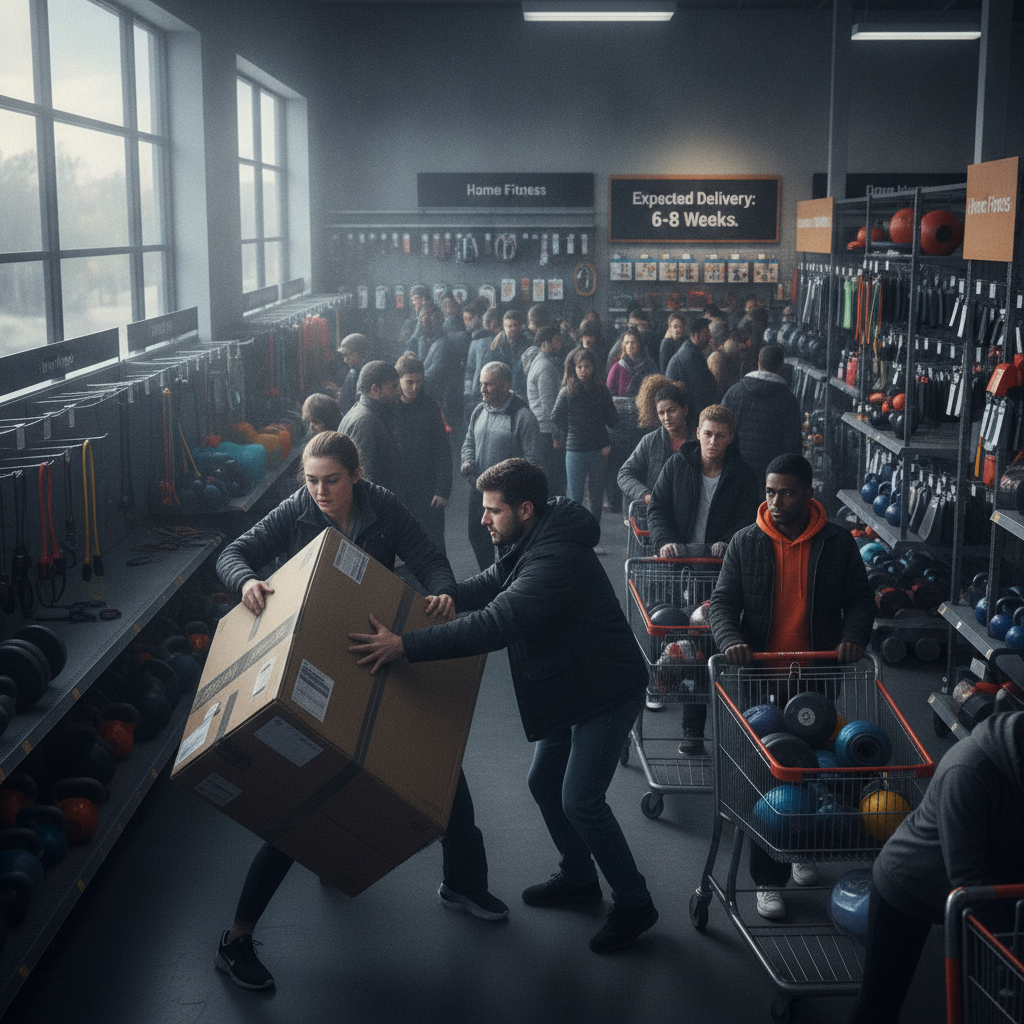
January is the single most exploited month in the fitness retail calendar, and if you walk into it without a plan, you will overpay for gear that was available for significantly less just weeks earlier. The combination of New Year's resolution culture, post-holiday spending energy, and aggressive retailer positioning creates a perfect storm of demand-inflated pricing and depleted inventory. Understanding how this window actually works — and how to move through it strategically — can save you real money on purchases you were going to make anyway.
Recognize How January Pricing Actually Works
Retailers aren't raising prices arbitrarily in January — they're responding to a predictable and massive surge in consumer demand. When foot traffic to sporting goods sections spikes in the first two weeks of the month, there's little incentive for stores or online sellers to discount. Platforms like Amazon often let third-party sellers set their own pricing, and in high-demand windows those prices creep upward without any formal announcement. The result is that the same treadmill or set of adjustable dumbbells you saw discounted in November now carries a premium simply because everyone wants it at once.
Why Wishlist Tracking Matters Before the Rush
If you use a tool like Camelcamelcamel or the Honey browser extension, you can pull up the price history on almost any fitness product sold online. This gives you a concrete baseline — what the item actually costs outside of demand spikes. When you see a product listed at what feels like a deal in January, that history often tells a different story. Building your wishlist in November or early December, with price alerts set, means you're armed with data rather than instinct when the January window opens.
Start With a Budget Ceiling Before You Browse
One of the most consistent mistakes people make in January is browsing without a hard spending limit already established. The fitness equipment category is especially vulnerable to this because it spans an enormous price range — resistance bands at one end, home gym systems at the other — and it's easy to rationalize upgrading once you're already emotionally invested in a purchase. Set your ceiling before you open a single product page. Decide whether you're in the market for foundational gear or a larger investment, and treat that number as non-negotiable regardless of how persuasive the listing copy sounds.
Separate Wants From Actual Use Patterns
Before committing to anything, it's worth being honest about how you actually exercise versus how you imagine yourself exercising in an optimistic January mindset. A spin bike sounds compelling in the first week of the year, but if your genuine habit is a 30-minute strength circuit, a set of kettlebells will serve you far better and cost a fraction of the price. Matching equipment to real behavior — not aspirational behavior — keeps your spending focused and reduces the chance of an expensive item becoming an expensive clothes rack.
Time Your Purchase to Miss the Demand Peak
The highest pricing pressure in January typically falls between January 1st and January 20th. After that window, two things tend to happen simultaneously: resolution dropout reduces demand, and retailers begin clearing January stock to prepare for spring inventory cycles. If your purchase isn't urgent, waiting until late January or even early February can shift the pricing environment meaningfully. This is especially true for mid-range cardio equipment like stationary bikes and rowing machines, where inventory restocks tend to arrive in late January ahead of spring marketing pushes.
Use Store Apps for Flash Sale Alerts
Both the Dick's Sporting Goods app and the Target Circle app send push notifications for category-specific sales that don't always appear prominently on their websites. Setting those alerts for fitness and home gym categories means you catch short-window markdowns that the casual browser misses entirely. These apps also tend to include loyalty pricing layers that stack on top of sale events, which can make a meaningful difference on larger equipment purchases.
Consider the Secondhand Market as Your Primary Channel
January is quietly one of the best months to buy used fitness equipment, because the people selling are often clearing out gear ahead of what they expect to replace with new purchases. Facebook Marketplace and OfferUp both see a noticeable uptick in fitness equipment listings in late December through mid-January as sellers make room. Lightly used dumbbells, benches, and cardio machines at 40 to 60 percent of retail value are genuinely common during this window. Buying secondhand in January lets you bypass the new-product pricing surge entirely while often landing higher-quality gear than what's available at entry-level retail price points.
Watch for Stockout Traps on Popular Items
Fitness equipment stockouts in January aren't just inconvenient — they create a secondary pricing problem. When a popular item sells out on the main retailer's site, third-party listings and marketplace sellers often absorb that demand at inflated prices. If you find yourself looking at a product that's out of stock at its standard retailer, resist the urge to pay a premium elsewhere. Use a tool like Google Shopping to monitor restocks across multiple channels, and set a restock alert if the retailer offers one. Paying above market because of urgency is exactly the trap January is designed to set.
The fitness retail market in the coming years is likely to see more dynamic pricing tied to resolution-season demand — meaning the gap between peak-January pricing and off-peak pricing may widen further as data-driven tools give retailers more precise control over real-time margins. The shoppers who come out ahead will be the ones who treat fitness equipment purchases the same way they'd treat any other major discretionary buy: with a clear budget, a historical price baseline, and the patience to let the sharpest demand curve pass before committing. A little preparation before January hits puts you in a position where the season works for you rather than against you.