Traveling on a tight budget often feels like a series of small compromises — skipping the nicer restaurant, passing on the guided tour, eating convenience-store sandwiches while watching other people enjoy a proper meal. But one accommodation decision reshapes that entire dynamic without requiring much sacrifice at all. Booking a place with a shared kitchen — whether that's a hostel, a serviced apartment, or a coliving space — doesn't just trim your food costs. It quietly restructures the rhythm of your whole trip.
The shift is subtle at first. You start making small decisions — picking up groceries instead of scanning menus, eating breakfast at a kitchen table instead of a café — and before long, those decisions start compounding into something that feels less like budget travel and more like actually living somewhere.
Shop Like a Local at the Market Instead of Eating Out Every Meal
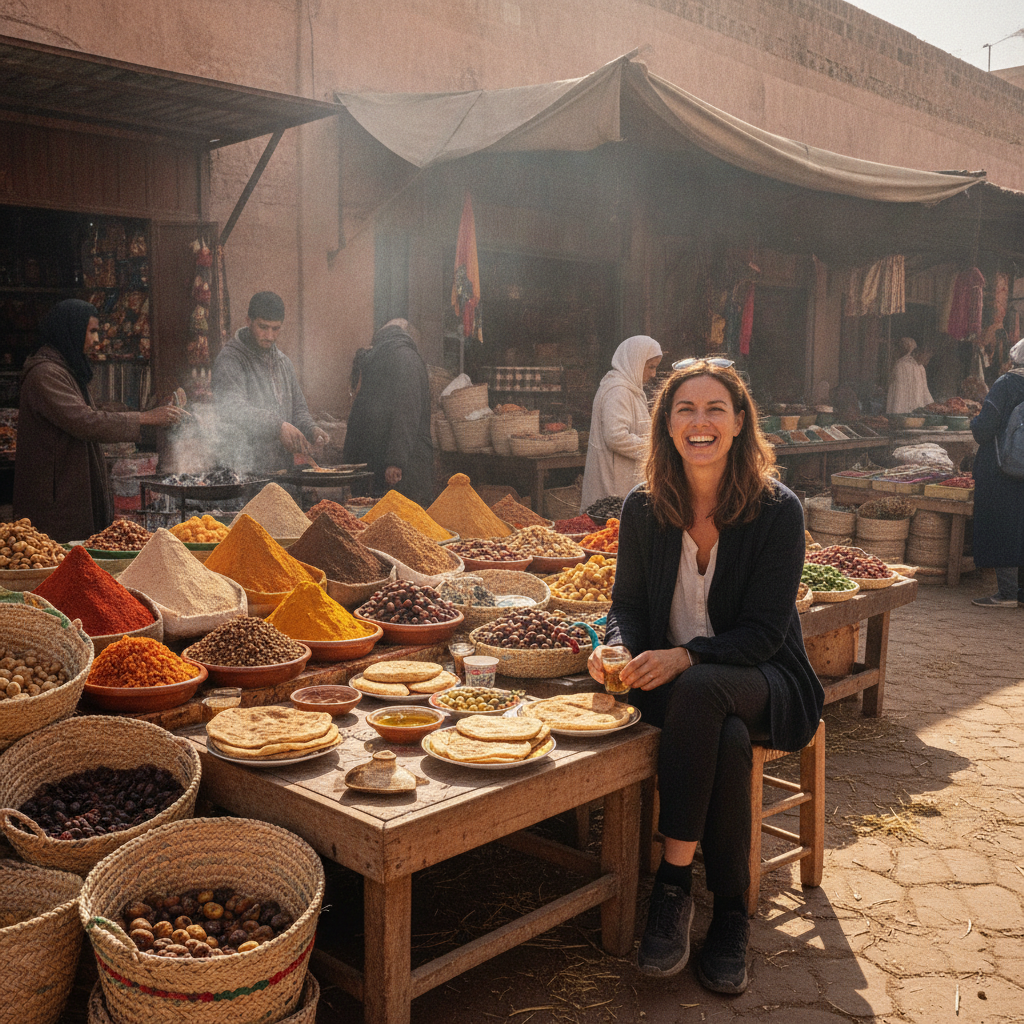
The most immediate change is how much you spend on food. Eating every meal at restaurants in a major city — whether that's Lisbon, Bangkok, or Mexico City — adds up faster than most travelers expect. A shared kitchen gives you a reason to visit a local market, pick up produce, bread, cheese, and whatever looks good, and cook something simple. You don't need to be a skilled cook. A one-pan meal or a decent salad assembled from fresh ingredients costs a fraction of a sit-down meal and often tastes better than whatever mid-range tourist-district option you'd have defaulted to.
Keep a Running Grocery List to Avoid Buying Duplicates
Shared kitchens come with a subtle trap: buying things you don't need because you forgot what you already picked up, or because another traveler used your olive oil. Keeping a simple note on your phone — even just a running list of what you have and what you need — prevents the kind of waste that quietly erodes your savings. Apps like Google Keep or even a basic Notes folder work perfectly. The goal is buying for two or three days at a time rather than stocking up as if you're settling in for a month, which also keeps your budget flexible as your plans shift.
Use Breakfast as an Anchor to Start the Day Slower
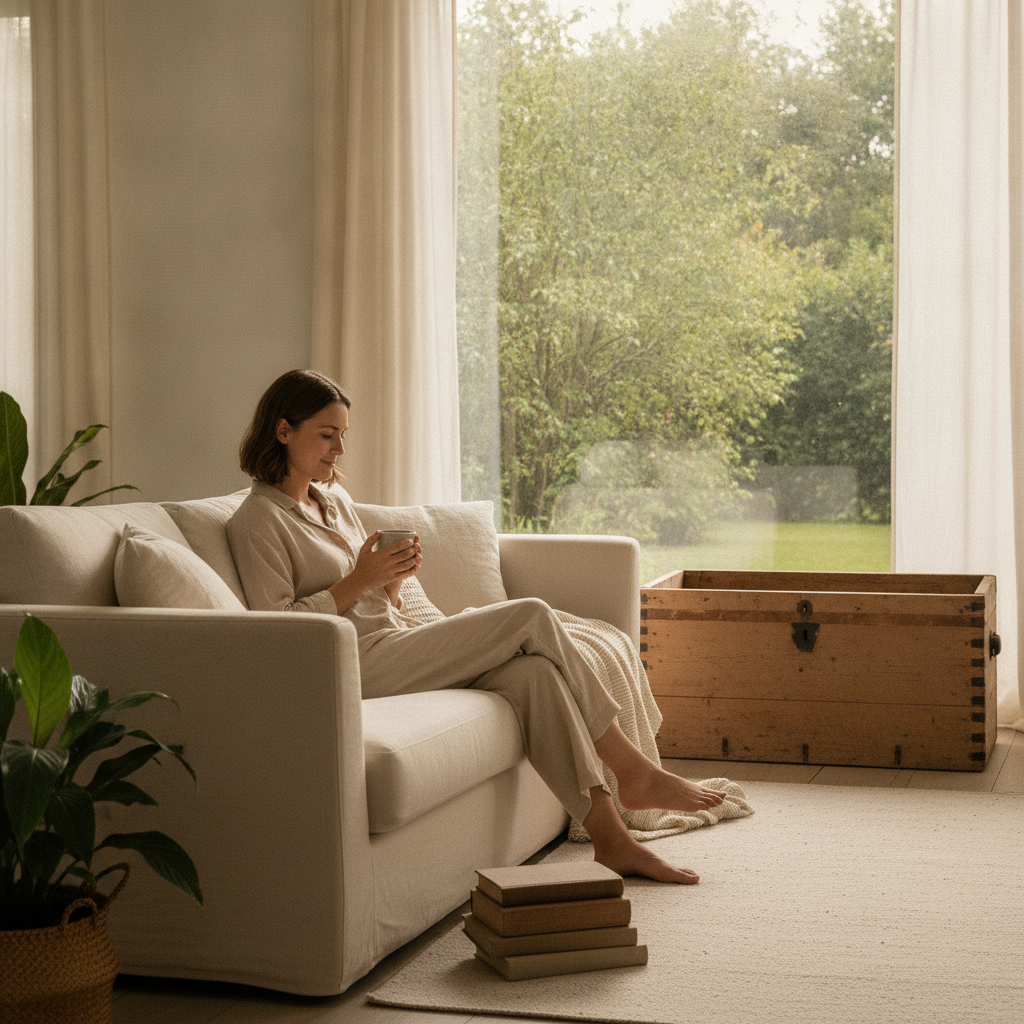
One of the underrated effects of having kitchen access is what it does to your mornings. When breakfast is a café stop, you're already in motion — already spending, already on a schedule. When you can make coffee and toast or heat up leftovers in a shared kitchen, your morning has a different quality. You linger. You talk to other travelers. You look at your map without feeling like you're running up a tab. That slower start tends to produce better days because you're not chasing an itinerary from the moment you wake up — you're easing into the city on your own terms.
Time Your Grocery Runs to Hit Late-Day Markdowns
Supermarkets in most countries mark down perishables — bread, prepared foods, packaged meals — in the late afternoon or early evening when they're clearing inventory before close. In places like Japan, this is practically a sport; the stickers go on around 7 or 8 PM and locals know exactly when to show up. In European cities, the same logic applies in slightly different timing windows. A quick conversation with a fellow traveler at your hostel or a search on a local forum like Reddit's travel communities can tell you exactly when your nearest store does its markdowns. Timing one grocery run around this habit can cut your food spending significantly for that day.
Plan One Proper Cook Night per City
Rather than trying to cook every meal — which can feel like a chore on a trip — consider building in one intentional cook night per destination. Buy something local and slightly ambitious: fresh pasta in Italy, fish from a market stall in Portugal, a proper stew using spices from a local spice shop. This approach gives you a memorable experience that costs less than dinner out, teaches you something about local ingredients, and makes the kitchen feel like an asset rather than a backup plan. It also slows you down in a useful way, giving a destination more of your attention.
Pack Reusable Containers to Carry Lunch From Your Kitchen
A light silicone container or a simple zip-lock bag changes how you handle midday meals on sightseeing days. If you've made extra food at breakfast or the night before, you can pack a lunch and carry it with you — eating in a park or on a bench instead of hunting for a restaurant when you're already tired and hungry. This is where shared-kitchen travelers consistently save the most money per trip. The restaurant decision made at peak hunger, in an unfamiliar area, after hours of walking, is almost always an expensive one. Removing that decision removes the cost.
Treat the Kitchen as a Social Space, Not Just a Utility
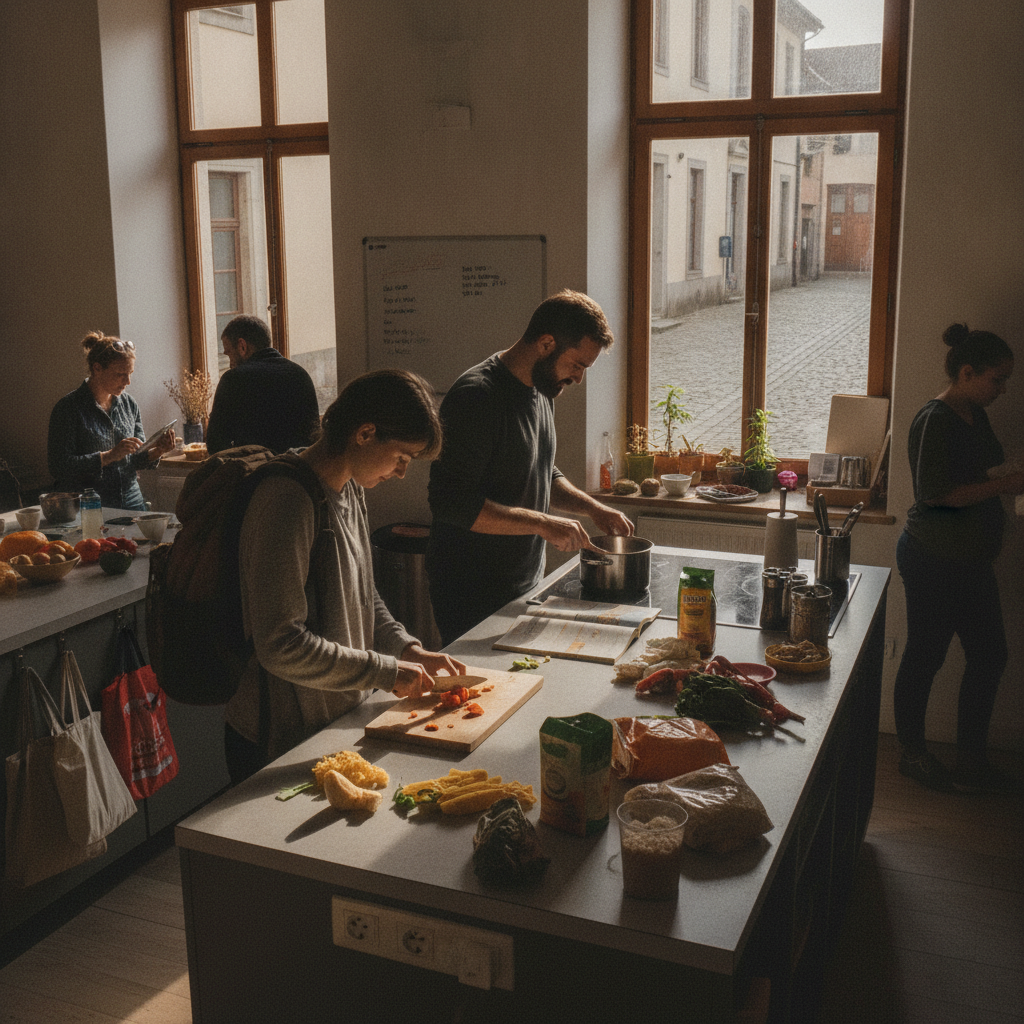
Shared kitchens are genuinely one of the best places to meet other travelers in an organic way. The conversations that start over a pot of pasta or a shared cutting board tend to go somewhere real — recommendations, invitations, the kind of local tip that doesn't appear on any travel blog. Hostels like Generator in cities across Europe or independent guesthouses in Southeast Asia have built real communities around communal kitchen spaces. Treating the kitchen as somewhere you spend a little time rather than just a room you pass through quickly changes the texture of your trip in ways that have nothing to do with money.
Track Your Daily Spend in Real Time to See the Shift
The clearest way to understand how much a shared kitchen changes your budget is to track your spending day by day. Not obsessively, just a quick note at the end of each day in a simple app like Trail Wallet or a spreadsheet. What most travelers notice within three or four days is that kitchen days have a noticeably lower food spend, but the money doesn't disappear — it gets redistributed. You might spend it on an experience you'd have skipped, a nicer wine, a museum you'd have walked past. That redistribution is the whole point. You're not spending less because you have to; you're spending differently because you have options.
As slow travel continues to grow as a philosophy — with more people booking longer stays in fewer places rather than rushing through a checklist of cities — accommodation with kitchen access is becoming a core part of how experienced travelers plan. Platforms like Airbnb, Hostelworld, and Booking.com have made it easier to filter for kitchen facilities, and the range now runs from basic hostel setups to fully equipped apartments at surprisingly reasonable nightly rates. The more time you spend in one place cooking occasionally, eating locally, and moving without a rigid schedule, the more the trip starts to feel less like tourism and more like something worth remembering.